
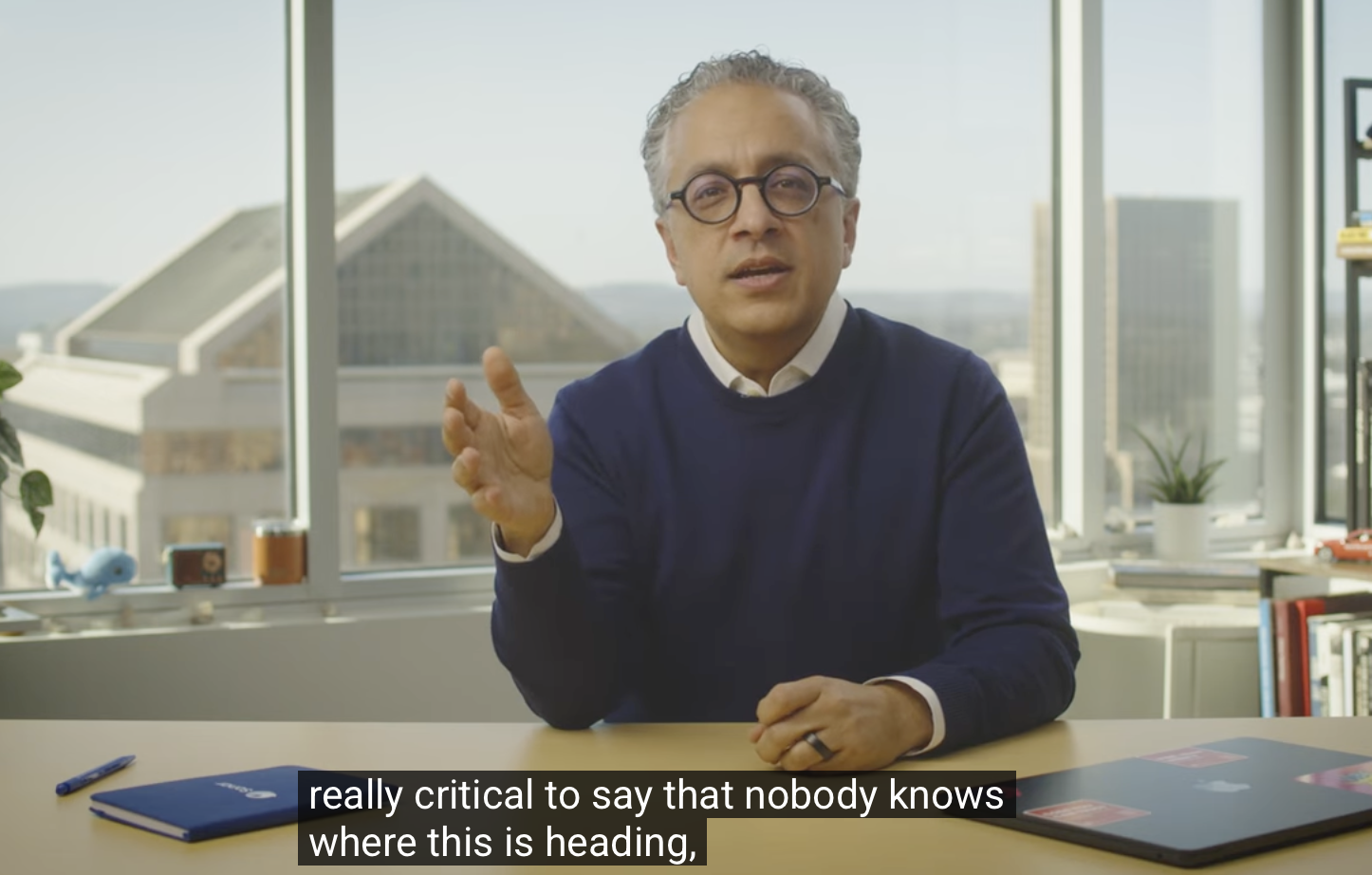
“It’s really critical to say that nobody knows where this is going” Tarik Shaukat, CEO Sonar.
Sonar has proposed one of the more interesting approaches to AI-cnetric / AI-Native development and it helps to start the conversation about how to plan our work with AI Native teams.
Context
How do you get stuff done? Up till now, tech teams built in small incremental batches.
Loosely based on lean:
Build → Measure → Learn.
This work flow during the agile period was typically:
Plan → Do → Inspect → Adapt
DevOps was a successor with cloud and continuous deployment:
Build → Deploy → Monitor → Improve
We’re now in a new era. Agentic workflow was proposed by Sonar as:
Guide → Verify → Solve (with AI generation between each step).
What does this all mean?
Continuous deploym,ent is coming to an end, rapidly.
Agents don’t work in small increments: they work in huge asynchronous batches for often large periods of time.
The congitive load for small increments is therefore… gone!
This possibly tallies with the notion that teams will no longer work with ‘stories’ but with ‘epics’ (or feature level) from an artefact perspective (see latest presentations from SAFe).
If Agentic-central AI-Native teams are the way forward but how do they work?
The proposal is that developers within teams spend more time focussing on design architecture and planning – and then on monitoring, verification and review.
So problem of “productivity” has shifted. Productivity per se is not the problem, trust is.
To put that into context: An agent can deliver 40,000 lines of compared to e.g. 300 from a human. But, left to their own devices, agents create bloat, buggy and insecure code.
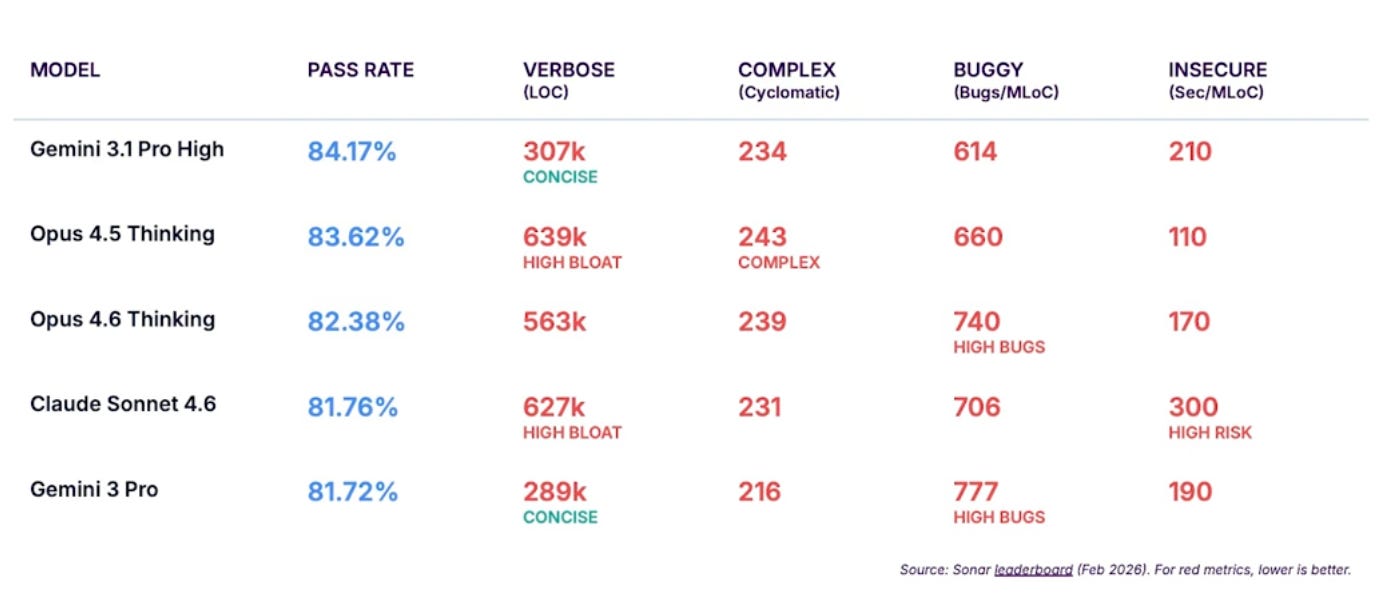
Sonarcube’s data showed that only 80% of ai code passed coding standards, was complex with a lot of bugs in one case: 300k lines of code and 700 bugs with 200 security issues!
Agents therefore need to be trustworthy, consistent, transparent and responsible
As Tarik points out, world class software requires:
- guardrails
- transparency
- assurances
- verification
So the future of software development is more than just ‘shift left’ – it’s whole new paradigm.
How you start new projects, intiatives and ai-centric teams will still require an intentional upfront alignment, such as a Liftoff. In fact there will be a greater requirement to align upfront:
Guide: context, specifications, regulations, guardrails. All upfront!
Verify: clarification about how to verify (whose responsibility)
Solve: approaches for immediate debugging and remediation for anything that slips through